

WELCOME

Over 40 years of trusted experience
We're a sincere company with a straightforward vision. Our goal is to make a positive difference in the health of our patients. With us, vision care goes far beyond an examination.
With offices in Fort Mitchell and Dry Ridge, Vision One Eyecare Center has been serving Northern Kentucky for more than 40 years.
Call us to make an appointment with our eye doctors to talk about your eyeglasses, contact lenses or specialty lens needs.
ABOUT

Expert Eyecare, Latest Eyewear
We handle everything from adult and children’s eye exams and hard-to-fit contact lenses, to eye emergencies, treatment of eye diseases, and myopia management.
TEAM

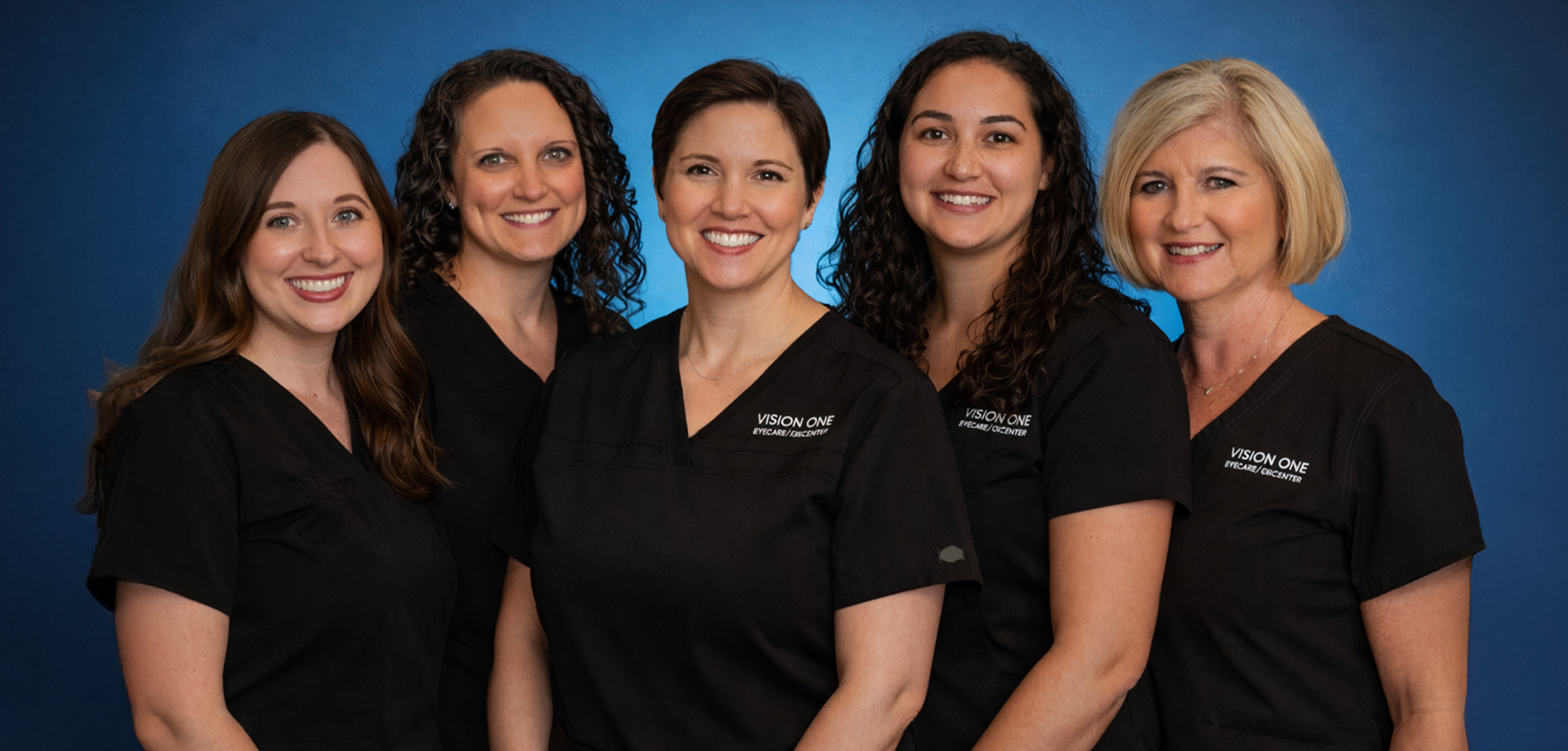
Meet Our Doctors
Jennifer Mercado, O.D.
Dr. Mercado received her doctorate of optometry from Illinois College of Optometry in Chicago in 2005 and has been with Vision One since 2007. Dr. Mercado is experienced in pediatric and adult eye care as well as eye disease management but has a special interest in contact lenses including multifocal and other specialty lenses.

Meet Our Doctors
Karen Manko, O.D.
Dr. Manko received her doctorate of optometry from The Ohio State University in 2012 and joined Vision One that same year. Dr. Manko enjoys seeing patients of all ages for well-vision exams, contact lens fittings, and ocular disease treatment and management.

Meet Our Doctors
Amy Press, O.D.
Dr. Press is the most recent addition to the doctors at Vision One. She received her doctorate of optometry from The Ohio State University and brings over 15 years of experience with her to our office. She is a member of the Kentucky Optometric Association and the American Optometric Association.

Meet Our Doctors
Chelsey Guidugli, O.D.
Dr. Chelsey Guidugli is the newest addition to Vision One. Originally from West Virginia, she attended Marshall University where she founded the pre-optometry club and earned a Bachelor of Science in Biology. Dr. Guidugli received her Doctorate of Optometry from the Kentucky College of Optometry (KYCO).
Meet Our Doctors
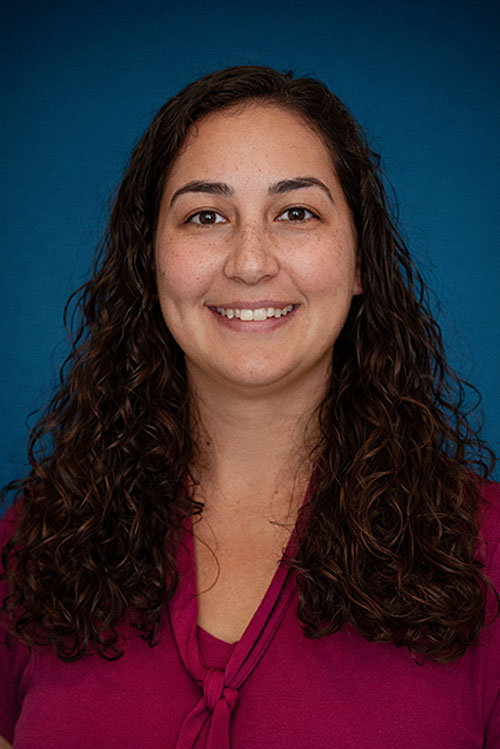
Samantha Blanke, O.D.
Dr. Samantha Blanke grew up in rural Wisconsin where she also earned her Bachelor’s of Science-Dietetics from the University of Wisconsin-Madison in 2019. In 2023 she then earned her Doctorate of Optometry from Southern College of Optometry in Memphis, TN. Recently, Dr. Sam completed her residency at Northwest Eye Care Professionals in Portland, OR, where she focused on neuro-rehabilitation, vision therapy, and pediatrics. Joining Vision One in 2024, Dr. Sam is excited to bring this area of optometry to Vision One. She is also a member of the American Optometric Association and the Kentucky Optometric Association.
Dr. Sam likes to spend her free time with family and friends. She enjoys spending time outside on the water, going on hikes, and taking her dog Bennye for runs. During the colder months she enjoys putting puzzles together and baking.
BRANDS


FOOTER
Fort Mitchell
- Mon9:00 AM - 6:00 PM
- Tues9:00 AM - 5:00 PM
- Wed9:00 AM - 5:00 PM
- Thurs9:00 AM - 5:00 PM
- Fri9:00 AM - 5:00 PM
- SatBy Appointment Only
- SunClosed
Dry Ridge
- Mon10:00 AM - 6:00 PM
- Tues9:00 AM - 5:00 PM
- WedBy Appointment Only
- Thurs9:00 AM - 5:00 PM
- Fri9:00 AM - 5:00 PM
- SatBy Appointment Only
- SunClosed
2026 © Vision One Eyecare Center. All Rights Reserved.-Accessibility Statement - Privacy Policy - Sitemap
Powered by: