
How Frequently Do I Need to Get a Comprehensive Eye Exam?

How Frequently Do I Need to Get a Comprehensive Eye Exam?

How Frequently Do I Need to Get a Comprehensive Eye Exam?

How Frequently Do I Need to Get a Comprehensive Eye Exam?

How Frequently Do I Need to Get a Comprehensive Eye Exam?

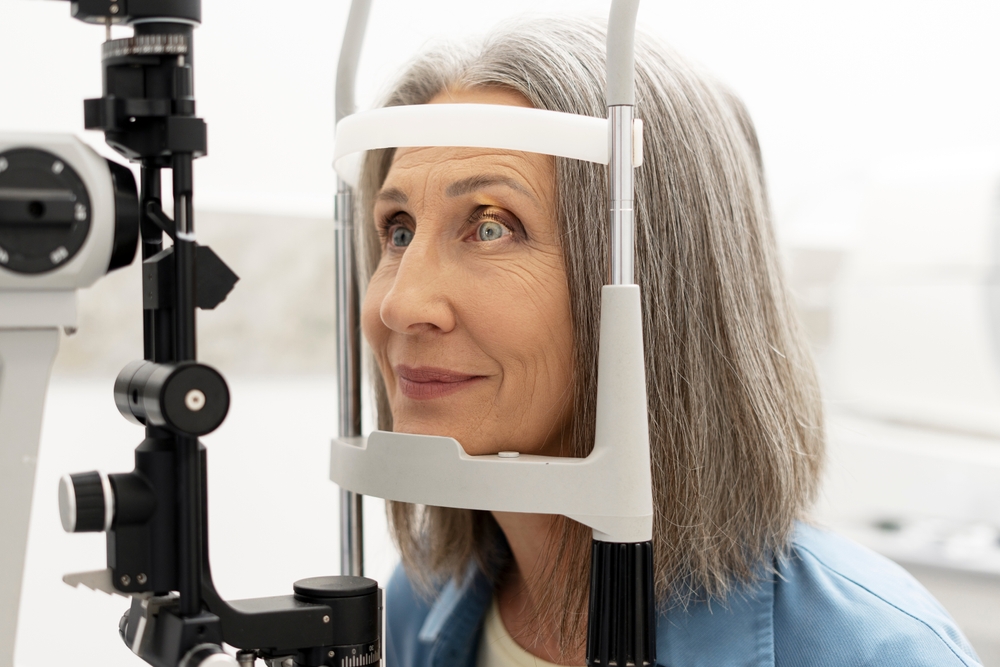
Many people only think about visiting the eye doctor when their vision becomes blurry or uncomfortable. However, routine eye care plays a much bigger role in protecting both your vision and overall eye health. One of the most common questions patients ask is: How often do I really need a comprehensive eye exam?
What Is a Comprehensive Eye Exam?
A comprehensive eye exam is a thorough evaluation of your vision and the overall health of your eyes. Unlike a simple vision screening, a comprehensive exam looks beyond whether you need glasses or contacts.
During a comprehensive eye exam, your optometrist will:
Measure how clearly you see at various distances
Determine your current eyeglass or contact lens prescription
Examine the health of your eyes, including the retina and optic nerve
Check for early signs of eye diseases such as glaucoma, macular degeneration, or diabetic eye disease
Identify eye conditions that may not yet cause noticeable symptoms
This complete assessment allows your eye doctor to detect potential issues early, when treatment is often most effective.
How Often Should You Get a Comprehensive Eye Exam?
For most adults, an annual comprehensive eye exam is recommended, even if you feel your vision is stable. Vision and eye health can change gradually, often without obvious warning signs.
You may need more frequent exams if you:
Wear glasses or contact lenses
Have diabetes or other systemic health conditions
Have a family history of eye disease
Are over the age of 60
Experience frequent headaches, eye strain, or vision changes
Children should also receive regular eye exams, as vision problems can affect learning and development. Your eye doctor can recommend an exam schedule tailored to your age, health history, and visual needs.
Keeping Your Prescription Up to Date
Even small changes in your prescription can impact your comfort and clarity. Annual eye exams ensure your glasses or contact lenses are accurately adjusted, helping reduce eye strain, headaches, and fatigue.
Detecting Eye Conditions Early
Many serious eye diseases develop slowly and without pain or early symptoms. Conditions like glaucoma, macular degeneration, and diabetic retinopathy can often be detected during a routine exam long before noticeable vision loss occurs.
Supporting Overall Eye Health
Your eyes can reveal important information about your overall health. Comprehensive eye exams can sometimes uncover signs of systemic conditions such as diabetes, high blood pressure, or autoimmune disorders, allowing for early medical intervention.
Prioritize Your Vision at Vision One Eyecare Center
Getting a comprehensive eye exam every year is one of the simplest and most effective ways to protect your vision and maintain long-term eye health. Even if your eyesight seems fine, regular exams help ensure your prescription is accurate and allow your eye doctor to catch potential problems early.
If it’s been more than a year since your last eye exam, now is the perfect time to schedule one. Contact Vision One Eyecare Center to schedule your comprehensive eye exam and take an important step toward clearer vision and healthier eyes. Visit our office in Fort Mitchell or Dry Ridge, Kentucky. Please call (859) 267-1700 or (859) 407-7400 today.
Fort Mitchell
- Mon9:00 AM - 6:00 PM
- Tues9:00 AM - 5:00 PM
- Wed9:00 AM - 5:00 PM
- Thurs9:00 AM - 5:00 PM
- Fri9:00 AM - 5:00 PM
- SatBy Appointment Only
- SunClosed
Dry Ridge
- Mon10:00 AM - 6:00 PM
- Tues9:00 AM - 5:00 PM
- WedBy Appointment Only
- Thurs9:00 AM - 5:00 PM
- Fri9:00 AM - 5:00 PM
- SatBy Appointment Only
- SunClosed
2026 © Vision One Eyecare Center. All Rights Reserved.-Accessibility Statement - Privacy Policy - Sitemap
Powered by: 
